Support Center

Tech Briefs 필터 선택
- All
- Camera Technology
- Industry Standards
- Sensor Technology
- tech brief
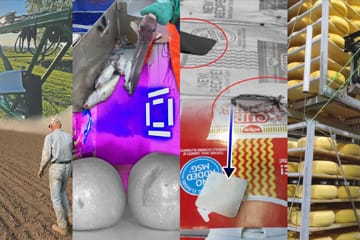
식품 자동화 전반의 머신 비전 과제
2D, 3D, SWIR 및 편광 카메라를 통해 토양, 처리, 포장, 보관 전반의 식품 자동화 과제를 머신 비전이 어떻게 해결하는지 알아보세요.
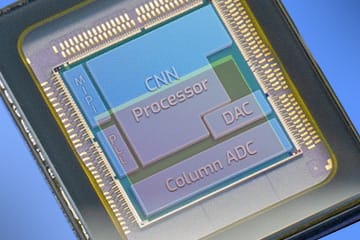
엣지 AI 처리를 위한 소니 IMX501 AI 센서
엣지 AI를 위한 LUCID의 Triton Smart 카메라는 Sony IMX501 센서를 활용해 스마트 제조, 물류, 임베디드 비전 시스템에서 효율적인 온카메라 추론을 구현합니다.
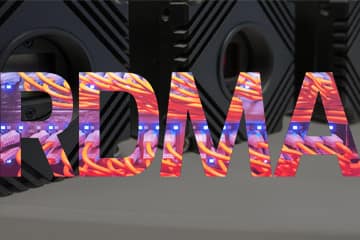
RDMA와 GigE Vision 3.0: 고속 머신 비전 카메라 표준
GigE Vision 3.0과 RoCE v2 RDMA에 대해 알아보세요. RDMA 기반 고속 이미지 전송 원리, CPU 부하 절감 효과, 다중 카메라 환경에서의 확장성과 안정성까지, 최신 머신 비전 네트워크 표준을 자세히 학습할 수 있습니다.

이벤트 기반 비전 최적화 – Triton2 EVS 카메라 소개
고급 필터를 사용하여 Triton2 EVS 이벤트 기반 카메라 (Sony IMX636 / IMX637)를 최적화하여 센서 성능을 향상시키고 노이즈를 줄여 더 명확한 데이터를 제공합니다.
Sony IMX490 CMOS 센서: 24비트 이미징용 온-센서 HDR
Sony의 5.4 MP IMX490 CMOS 센서는 서브-픽셀 기술을 적용하여 다이내믹 레인지가 넓고 LED 깜박임이 완화된 온-센서입니다. 서브-픽셀 기술은 움직이는 장면을 모션 아티팩트 없이 HDR 이미지로 처리하므로 기존의 HDR보다 장점이 더욱 많습니다.
Factory Tough 카메라. 산업 현장을 위한 설계와 내구성
LUCID의 Factory Tough™ 카메라가 제공하는 넓은 동작 온도 범위, EMC 산업 내성, 충격 및 진동 보호, IP67 보호 등 다양한 특장점을 알아보세요.
Sony 4세대 Pregius S – 이미지 센서의 다음 진화 단계?
4세대 Pregius S 센서의 장점과 새로운 기능, 그리고 이전 세대와의 차이점을 알아보세요. Sony 센서 각 세대의 강점과 Pregius S 센서가 어떤 애플리케이션에 적합한지 확인할 수 있습니다
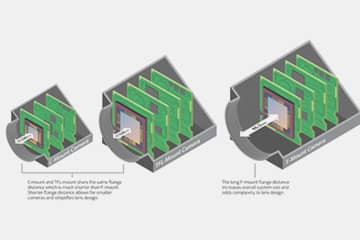
TFL 마운트: 고해상도 대형 포맷 CMOS 센서용
1.1″보다 크고 APS-C 크기까지의 센서를 탑재한 카메라에서 TFL 마운트와 TFL 렌즈가 최적의 선택인 이유를 알아보세요.
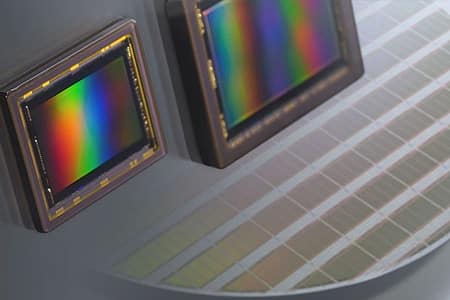
디지털 이미지 센서의 작동 방식 이해하기
이미지 센서는 머신 비전 카메라 내부의 핵심 구성 요소입니다. 이미지 센서의 작동 방식과 분류 기준을 더 잘 이해하면 애플리케이션에 적합한 센서를 보다 정확하게 선택할 수 있습니다.

고속 비전 시스템을 위한 5GigE 카메라
기존 CAT 5e 및 CAT 6 케이블을 활용할 수 있고, 낮은 전력 소비와 PoE(Power over Ethernet)를 지원한다는 점 때문에 2.5GBASE-T, 특히 5GBASE-T는 머신 비전 카메라 제조업체에게 매력적인 대안이 되고 있습니다.
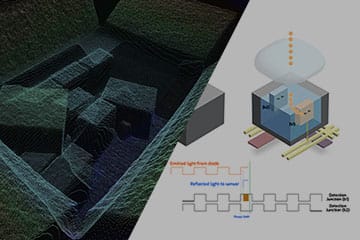
Sony DepthSense 3D 센서: 더욱 향상된 Time of Flight(ToF) 기술
Sony의 DepthSense™ Time of Flight(ToF) 센서는 첨단 기술을 결합해 빠르고 신뢰성 높은 실시간 3D 이미징을 제공합니다. Sony DepthSense IMX556 ToF 기술의 동작 원리?
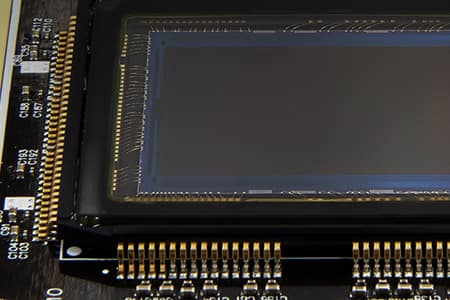
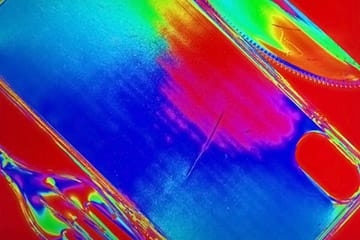
편광 설명: Sony 편광 센서
4개의 고유한 각도 편광판을 포함한 혁신적인 4픽셀 블록 설계를 특징으로 하는 Sony의 컴팩트한 2/3″ 글로벌 셔터 CMOS 편광 센서는 편광 이미징을 한 단계 더 발전시킵니다.
Gigabit Ethernet: 산업용 카메라를 위한 효율적이고 신뢰성 높은 인터페이스
낮은 비용, 향상된 시스템 유연성, 산업 표준 준수의 조합으로 Gigabit Ethernet은 머신 비전 분야의 주요 인터페이스 중 하나로 자리 잡았습니다.
차세대 이미징: Sony Pregius CMOS 센서
혁신적인 Sony Pregius CMOS 센서는 센서 성능을 한 단계 더 발전시키고 있습니다. 이 센서가 비전 애플리케이션을 어떻게, 그리고 왜 개선하는지 알아보세요.
EMVA 1288: 센서 성능 사양 설명
EMVA 1288 표준을 사용하면 카메라의 이미징 성능을 보다 쉽게 비교할 수 있습니다. LUCID를 포함한 주요 카메라 제조업체들은 이 표준에 따라 카메라의 이미징 성능을 측정합니다. 시험 결과의 의미를 알아보고 서로 비교해 보세요.